


Take 100% Control
of Your Diabetes
With Ayurveda!
Ayurved se sambhav hai !
Consult with our expert doctors today.
Enter your details to book a personalized consultation.
What is Diabetes?
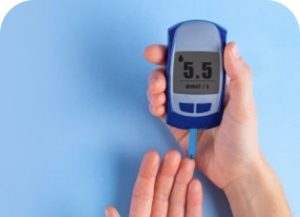
Diabetes is a chronic medical condition that affects how your body processes blood sugar (glucose). Glucose is an essential source of energy for the body’s cells, and insulin, a hormone produced by the pancreas, helps move glucose from the bloodstream into cells.
Ayurvedic treatment for diabetes focuses on balancing the body’s energies (known as doshas) and promoting overall health to manage blood sugar levels. Ayurveda, an ancient system of medicine from India, aims to address the root causes of imbalances that may lead to conditions like diabetes rather than just focusing on the symptoms.
What Causes Diabetes?
Diabetes is caused by a combination of factors. The body’s cells may not respond properly to insulin, making it difficult to use blood sugar for energy.In some cases, the pancreas doesn’t produce enough insulin, which is needed to control blood sugar levels.
- Genetics also play a role, as family history and inherited genes can increase the risk. Obesity, especially excess belly fat, makes the body less responsive to insulin. A poor diet, high in sugary and processed foods, can lead to elevated blood sugar. Lack of physical activity contributes to weight gain and insulin resistance. As people age, especially after 45, the risk of developing diabetes increases.
- There are numerous causes for diabetes. After the careful categorization of the diabetes type, the best ayurvedic medicine is decided. The Ayurvedic specialists at Sarvagun will then guide you through the Recommended and the Optimum type of treatment.
What Treatments Do We Offer?
Primary Hypothyroidism
This is the most common type and occurs when the thyroid gland itself is malfunctioning, as mentioned earlier.
Secondary Hypothyroidism
This occurs when the pituitary gland or hypothalamus in the brain does not produce enough thyroid-stimulating hormone (TSH), which signals the thyroid to produce hormones.

Type 2 Diabetes
(Non Insulin Dependent Diabetes Mellitus)
Type 2 Diabetes is a manageable condition that requires a combination of lifestyle modifications, medications, and, in some cases, insulin therapy. Ayurvedic approaches aim to support the body's natural healing processes through herbs, detoxification therapies, diet, and stress management techniques.
Gestational Diabetes
Gestational Diabetes occurs when the body cannot produce enough insulin to meet the increased demands of pregnancy, leading to high blood sugar levels. Ayurveda offers complementary approaches such as herbal remedies, Panchakarma therapies, and dietary modifications to help stabilize blood sugar levels and promote overall wellness.
LADA
(Latent Autoimmune Diabetes in Adults)
It is a complex form of diabetes that combines elements of both Insulin Dependent Diabetes Mellitus and Non Insulin Dependent Diabetes Mellitus diabetes. Proper diagnosis, including blood tests for autoimmune markers and insulin production, is crucial for effective management. Ayurvedic approaches emphasize balancing the body's energies, improving insulin sensitivity through natural remedies, and detoxifying the system with therapies like Panchakarma.
MODY
(Maturity Onset Diabetes in the Young))
MODY is a rare form of diabetes caused by genetic mutations that affect insulin production.Ayurveda offers a holistic approach to managing MODY through herbal remedies, detoxification therapies and lifestyle changes such as diet, exercise, and stress management.
Signs And Symptoms Of Diabetes?
Diabetes manifests through a range of symptoms, often affecting various systems in the body. If you notice one or more of these signs, especially if they persist or worsen over time, it’s important to consult a healthcare provider for proper diagnosis and management.
- Excessive thirst, even after drinking fluids.
- Increased urination, especially at night.
- Sudden weight loss.
- The body lacks the energy it needs, leading to fatigue.
- Blurred vision.
- Delayed healing from cuts & bruises.
- Constant hunger.
- Tingling, numbness, or a “pins and needles” sensation.
- Excessive urination and dehydration.
- Blood sugar fluctuations.
Frequently Asked Questions
Can hypothyroidism be cured?
Hypothyroidism is a lifelong condition, but with proper treatment, it can be effectively managed. Thyroid hormone replacement therapy is typically used to normalize hormone levels.
Can I manage hypothyroidism without medication?
While lifestyle changes, diet, and Ayurveda can help support thyroid function, most people with hypothyroidism need thyroid hormone replacement therapy for proper management.
Is hypothyroidism hereditary?
Yes, hypothyroidism can run in families, particularly autoimmune thyroid diseases like Hashimoto’s thyroiditis.
What happens if hypothyroidism is left untreated?
Untreated hypothyroidism can lead to complications such as heart disease, infertility, mental health issues, and a condition called myxedema coma, which is a life-threatening emergency.
Can exercise help with hypothyroidism?
Regular exercise is beneficial for managing symptoms of hypothyroidism, as it can help improve energy levels, regulate metabolism, and reduce weight gain.
Are there any foods I should avoid with hypothyroidism?
It’s recommended to avoid excessive amounts of goitrogenic foods (like soy, cabbage, and broccoli) in raw form, as they may interfere with thyroid function. Also, avoid highly processed foods high in sugar and unhealthy fats.
