

Joint problems are one of the most common health issues today, especially among people who lead sedentary lifestyles or those who face the natural wear and tear of aging. Among these conditions, Sandhivata, known in modern medical terms as osteoarthritis, is one of the most common. It causes stiffness, pain and swelling in the joints leading to reduced mobility and discomfort in daily life.
Ayurveda, the ancient system of holistic healing, considers Sandhivata as a Vata Dosha imbalance. Panchakarma, Ayurveda’s powerful detoxification and rejuvenation therapy is highly effective in addressing Sandhivata. At Sarvagun Ayurveda, we specialize in Panchakarma Treatment for Sandhivata, offering natural, safe and long-lasting relief.
What Is Sandhivata?
In Ayurveda, “Sandhi” means joint and “Vata” means one of the three doshas responsible for body functions. Sandhivata is a condition where Vata accumulates in the joints and causes degeneration of cartilage, pain and stiffness. In modern medicine it is osteoarthritis which primarily affects weight bearing joints like knees, hips, spine and sometimes smaller joints of hands.
This condition is progressive in nature and if ignored can severely limit mobility. But unlike temporary solutions like painkillers, Ayurveda addresses the root cause of Sandhivata through detoxification, balancing doshas and rejuvenation therapies like Panchakarma.
Causes Of Sandhivata
The root cause of Sandhivata is Vata imbalance. Several factors contribute to the onset of this condition:
- Aging – As the body grows older, natural wear and tear of joints occurs. Cartilage loses its cushioning ability and becomes stiff and painful, making elderly people more prone to Sandhivata.
- Excessive physical strain – Continuous heavy physical work, lifting weights or repetitive joint movements puts stress on joints. Over time this strain damages cartilage and accelerates degeneration.
- Sedentary lifestyle – Lack of physical activity results in weak muscles and poor lubrication in the joints. This stiffness eventually aggravates Vata and triggers Sandhivata.
- Poor diet – Eating dry, cold and Vata aggravating foods like processed snacks or junk food disrupts nourishment of joints making them fragile and prone to degeneration.
- Obesity – Excess body weight puts continuous pressure on weight bearing joints like knees and hips. This additional stress weakens the cartilage and accelerates joint damage.
- Genetics – Family history of arthritis or joint problems can predispose a person to Sandhivata as genetic factors influence bone and cartilage health.
- Previous joint trauma – Old injuries, fractures or dislocations damage the structural strength of joints. These weak spots develop Sandhivata earlier than healthy joints.
- Stress and lifestyle disorders – High stress levels, irregular sleep and unhealthy daily routines disturb the body’s natural balance. This aggravates Vata Dosha and increases the risk of joint disorders.
Symptoms Of Sandhivata
The signs of Sandhivata often develop gradually and worsen over time. Common symptoms include:
- Joint pain – Pain is the most common symptom and worsens with movement or after long periods of rest. It starts as mild and gradually becomes more persistent and severe.
- Stiffness – Morning stiffness or stiffness after sitting for a long time is a key feature. Patients find it difficult to resume activity smoothly, affecting daily routines.
- Swelling – Mild swelling around the joints is due to inflammation and fluid accumulation, making the affected area tender to touch.
- Cracking or grating sensation – Patients hear a “creaking” or grinding sound while moving the joints, due to friction between bones due to reduced cartilage.
- Reduced flexibility – As Sandhivata progresses, flexibility reduces. Simple activities like walking, bending or climbing stairs become more difficult.
- Weakness – Muscles around the affected joint lose strength due to inactivity and degeneration, reducing overall joint stability.
- Bone spurs – In advanced stages, small bony projections may form around the joints, leading to more pain, deformity and difficulty in movement.
If left untreated, these symptoms can limit daily activities and reduce the quality of life.
The Role of Panchakarma in the Treatment of Sandhivata

Panchakarma, the foundation of Ayurvedic treatment, plays a major role in treating Sandhivata by addressing the root cause – Vata imbalance. When Vata becomes aggravated, it creates dryness, stiffness and degeneration in the joints, leading to pain and restricted mobility. Panchakarma therapies like Abhyanga (medicated oil massage) and Basti (therapeutic enema) are very effective in calming Vata and restoring its balance in the body. This helps in circulation, nourishment of the tissues and joints to regain flexibility and smooth movement. Along with balancing Vata, Panchakarma focuses on detoxifying the body by eliminating Ama (toxic waste) that accumulates in the joints and blocks the energy channels.
Treatments like Swedana (herbal steam therapy) and Virechana (purgation) help to flush out these toxins, reducing inflammation and swelling in the affected areas. The therapies also provide natural lubrication to the joints as the warm medicated oils penetrate deep into the tissues, relieving friction between bones and minimizing the grating sensation felt by Sandhivata patients. This detoxification along with lubrication ensures smooth joint function and long-lasting relief from stiffness.
Another important role of Panchakarma in Sandhivata is its rejuvenation and strengthening effect. Therapies like Janu Basti (oil therapy for knees), Patra Pinda Sweda (herbal bolus massage) and Pizhichil (oil bath therapy) not only reduce pain but also nourish the surrounding muscles, ligaments and cartilage. This prevents further degeneration and enhances the overall stability of the joints. At Sarvagun Ayurveda, Panchakarma treatment is customized for every patient through detailed diagnosis and pulse reading. By combining detoxification, pain management and rejuvenation, our approach ensures not just temporary relief but long-term improvement in mobility, vitality and quality of life.
Benefits of Panchakarma in Sandhivata
Panchakarma is a holistic solution not just temporary pain relief. The benefits are:
- Relieves pain and stiffness – Abhyanga and Janu Basti therapies naturally reduces joint pain and stiffness, allowing smoother movements without any harmful side effects.
- Improves joint flexibility and mobility – Lubrication and inflammation reduction, Panchakarma increases joint range of motion, makes daily activities easier and comfortable.
- Strengthens muscles and ligaments – Patra Pinda Sweda nourishes surrounding tissues, provides better support to joints and prevents them from becoming weak or unstable.
- Detoxifies the body – Swedana and Virechana therapies eliminates Ama (toxins) from the system, clears energy channels and reduces swelling around joints.
- Prevents further degeneration – Regular Panchakarma rejuvenates cartilage and slows down wear and tear of joints, long term management of Sandhivata.
- Enhances blood circulation – Warm medicated oils used in therapies increases local circulation around joints, nourishes bones and tissues.
- Boosts overall immunity – Panchakarma strengthens the body’s defense system, patients can resist age related changes and inflammatory flare ups in joints.
- Reduces dependency on painkillers or surgery – With consistent treatment many patients get lasting relief, minimizing the need for pain medications or joint replacement surgeries.
Panchakarma Process for Sandhivata
Panchakarma for Sandhivata includes detoxification, external therapies and rejuvenation. The steps are:
- Abhyanga (Oil Massage) – Warm, medicated herbal oils are massaged into the body with specific strokes. Reduces joint stiffness, improves blood circulation and nourishes tissues to restore mobility.
- Swedana (Sudation Therapy) – After massage, steam therapy using herbal decoctions is given to promote sweating. Opens blocked channels, reduces inflammation and relieves deep seated pain.
- Basti (Medicated Enema) – Considered the most effective treatment for Vata disorders, Basti uses herbal oils and decoctions administered rectally. Balances aggravated Vata, strengthens joints and slows degeneration.
- Janu Basti / Greeva Basti – Warm medicated oil is retained over the knees (Janu) or neck (Greeva). Reduces swelling, relieves stiffness and provides direct nourishment to affected joints.
- Patra Pinda Sweda – Heated herbal poultices filled with medicinal leaves are applied to joints and muscles. Reduces pain, removes stiffness and revitalizes the supporting tissues.
- Pizhichil (Oil Bath Therapy) – Continuous pouring of warm medicated oil over the body while massaging gently. Deeply rejuvenates tissues, strengthens muscles and improves joint flexibility.
- Diet and Lifestyle Correction – Along with therapies, an Ayurvedic diet rich in warm, easily digestible food is recommended. Lifestyle adjustments like yoga and stress management helps to maintain Vata balance and joint health.
These treatments are customized according to the severity and location of Sandhivata.
Panchakarma Treatment for Sandhivata by Sarvagun Ayurveda
At Sarvagun Ayurveda, we offer personalized Panchakarma Treatment for Sandhivata. Our Ayurvedic doctors start with Nadi Pariksha (pulse diagnosis) and detailed health assessment to find out the root cause.
We create a customized Panchakarma plan which may include Abhyanga, Basti, Janu Basti and other therapies along with Ayurvedic medicines, herbal supplements and diet advice. We do not just focus on pain management but also on preventing further joint damage and long term well-being.
Many patients at Sarvagun Ayurveda have seen significant improvement in mobility, pain reduction and quality of life after Panchakarma for Sandhivata.
Why Choose Panchakarma for Sandhivata Treatment
There are many reasons why Panchakarma is the best treatment for Sandhivata:
- Holistic approach – Panchakarma does not just mask the symptoms; it addresses the root cause of Sandhivata by balancing Vata Dosha, detoxifying the body and rejuvenating joints for complete healing.
- Natural and safe – Unlike painkillers, steroids or invasive treatments, Panchakarma uses herbal medicines and therapies, so effective relief without side effects.
- Customized treatment – Every patient’s body constitution (Prakriti) and condition is different. Panchakarma at Sarvagun Ayurveda is tailored to individual needs, so more precise and effective.
- Long lasting relief – Detoxification and rejuvenation therapies strengthen the joints and prevent further damage, so the relief from pain and stiffness is sustainable.
- Prevents surgery – With regular Panchakarma therapies many patients are able to avoid invasive procedures like knee or hip replacements, and manage their condition naturally.
- Overall health – Along with improving joint health Panchakarma also strengthens digestion, boosts immunity, increases energy and overall quality of life.
Choosing Panchakarma Treatment for Sandhivata at Sarvagun Ayurveda means expert guidance, authentic therapies and a healing environment to get your joints back to health.
Conclusion
Sandhivata or osteoarthritis is a painful and progressive condition that can reduce mobility and independence if not managed well. Modern treatments only focus on symptom management, Ayurveda and Panchakarma provide a holistic, natural and sustainable solution.
At Sarvagun Ayurveda our experienced practitioners combine ancient Ayurvedic knowledge with personalized Panchakarma therapies to give long term relief from Sandhivata. By addressing the root cause, balancing Vata and rejuvenating joints, Panchakarma helps patients to regain mobility, reduce pain and overall quality of life.
Looking for a safe, natural and effective solution, Panchakarma Treatment for Sandhivata at Sarvagun Ayurveda is the way to pain free living.
FAQs
Sandhivata is the Ayurvedic term for osteoarthritis, a joint disorder caused by aggravated Vata Dosha leading to pain, stiffness and degeneration of cartilage.
Panchakarma balances Vata Dosha, detoxifying the body and rejuvenates joints. While it may not reverse complete degeneration, it reduces pain, slows down progression and improves mobility.
Duration depends on the severity of the condition. On an average a Panchakarma program for Sandhivata takes 21 to 45 days for best results.
Yes, Panchakarma is safe and highly beneficial for elderly patients. At Sarvagun Ayurveda, treatments are customized according to the patient’s age, strength and condition.
A warm and easily digestible diet, regular light exercises like yoga, avoiding cold and dry foods, maintaining proper posture and stress management are recommended along with Panchakarma.
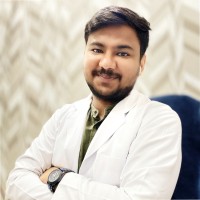
I am an Ayurvedic doctor with over two years of hands-on experience in managing both outpatient (OPD) cases and medical emergencies. My journey in Ayurveda has equipped me to effectively diagnose and treat a wide range of conditions, from chronic kidney disease, liver failure, and cirrhosis to digestive disorders and allergic diseases like asthma, sinusitis, and allergic rhinitis.
I specialize in treating joint disorders, metabolic issues, and various lifestyle-related conditions through a root-cause-based Ayurvedic approach. I focus on personalized care—tailoring treatment plans according to each patient’s constitution, lifestyle, and medical history.
In addition to my expertise in Ayurvedic medicines and therapies like Panchakarma, I also have a sound understanding of allopathic medicine, which helps me integrate modern approaches when needed for better outcomes. In emergency situations, I stay calm under pressure and act quickly to stabilize and support patients.
I’m deeply committed to continuous learning and staying updated with the latest advancements in both Ayurveda and modern medicine. My mission is to support every patient’s journey toward lasting health, vitality, and balance through compassionate, holistic care.
