
At Sarvagun Ayurveda, we offer effective Ayurvedic treatments for cervical spondylitis, addressing the root causes of neck pain and stiffness with a holistic approach. Our treatments include Panchakarma therapies, herbal remedies, and lifestyle modifications tailored to your unique needs, promoting long-term relief and mobility. In addition to our offline consultations, we also provide online consultations via tele and video calls, ensuring that you can access personalized Ayurvedic care from the comfort of your home. Whether in person or remotely, we are committed to helping you find lasting solutions for cervical spondylitis.
What is Cervical spondylitis?
Cervical spondylitis, also known as cervical spondylosis, refers to the age-related wear and tear of the cervical spine (neck) and the discs between the vertebrae. Over time, these changes can lead to discomfort, pain, and stiffness in the neck region. It often involves the degeneration of cartilage, bone, and intervertebral discs.
Types of Cervical Spondylitis:
- Cervical Osteoarthritis:
- It involves the degeneration of the cartilage in the neck joints, causing pain, stiffness, and reduced range of motion.
- Cervical Disc Disease:
- Involves the intervertebral discs, which can bulge or rupture, causing pressure on the nerve roots.
- Cervical Myelopathy:
- A more severe form, where the spinal cord itself is compressed due to the degenerative changes in the cervical spine, leading to neurological symptoms like weakness, numbness, and difficulty walking.
Symptoms of Cervical Spondylitis:
- Neck pain: Persistent ache or stiffness in the neck.
- Headaches: Often occurring at the back of the head.
- Shoulder or arm pain: Radiating pain from the neck into the shoulders, arms, or hands.
- Numbness or tingling: In arms or fingers.
- Weakness in the hands or arms: Difficulty with gripping or handling objects.
- Reduced range of motion: Turning the head with difficulty.
- Dizziness: Sometimes associated with movement of the neck.
- Grinding sensation: A crackling or popping sound when moving the head.
Causes of Cervical Spondylitis:
- Aging: The most common cause is the natural wear and tear of the vertebral discs and joints due to aging.
- Heredity: Genetic factors may play a role in predisposition to degeneration.
- Injury or Trauma: A neck injury in the past can accelerate the deterioration.
- Repetitive Motion: Jobs or activities that involve long periods of looking down or overuse of the neck can increase risk.
- Poor Posture: Long-term bad posture while sitting or sleeping can contribute to cervical spondylitis.
- Lifestyle Factors: Obesity, smoking, physical inactivity can be a cause of degenerative changes.
Tests and Diagnosis:
- Physical Examination: The doctor may assess the range of motion in the neck and check for tenderness, stiffness, and neurological function.
- X-Rays: Used to Look at bone changes, disc disease or signs of arthritis.
- MRI (Magnetic Resonance Imaging): Provides detailed images of soft tissues (discs, nerves) and is used if there is suspicion of nerve compression or disc herniation.
- CT Scan (Computed Tomography): CT scans can create detailed images of the bones and joints in some cases.
- Electromyography (EMG): To assess the electrical activity of the muscles and determine if nerves are affected.
Allopathic Treatment For Cervical spondylitis:
- Pain Relief Medications:
- Nonsteroidal anti-inflammatory drugs (NSAIDs): Ibuprofen, naproxen.
- Acetaminophen: For mild to moderate pain relief.
- Muscle Relaxants: For muscle spasms.
- Corticosteroid Injections: To reduce inflammation and relieve pain around nerve roots.
- Physical Therapy: To strengthen neck muscles, improve posture, and relieve pain.
- Surgery: In severe cases, such as cervical myelopathy or herniated discs causing nerve compression, surgery may be necessary (e.g., discectomy, laminectomy, or fusion).
Side Effects of Allopathic Treatment:
- NSAIDs: Stomach irritation, ulcers, kidney problems, high blood pressure.
- Acetaminophen: Liver damage if overused.
- Muscle Relaxants: Drowsiness, dizziness, and dependence with long-term use.
- Corticosteroids: Weight gain, osteoporosis, elevations in blood sugar, immune suppression.
- Surgical Risks: Infection, bleeding, damage to a nerve or problems from the anesthesia.
Ayurvedic Treatment for Cervical Spondylitis:
In Ayurveda, cervical spondylitis is seen as an imbalance in the body’s doshas (Vata, Pitta, and Kapha). The treatment focuses on restoring balance and addressing the root cause.
- Herbal Remedies:
- Ashwagandha: An adaptogenic herb that helps relieve pain and inflammation.
- Guggulu: Known for its anti-inflammatory properties, especially for joint and bone health.
- Turmeric: Contains curcumin, which has anti-inflammatory and analgesic properties.
- Shallaki (Boswellia): Effective in treating joint pain and inflammation.
- Therapies:
- Abhyanga (Oil Massage): Helps to increase circulation, reduce stiffness, and nourish the joints.
- Shirodhara: A calming therapy where warm oil is poured on the forehead to reduce stress and improve overall health.
- Swedana (Herbal Steam Bath): Helps to release toxins from the body and improve circulation.
- Basti (Medicated Enema): To balance the Vata dosha and relieve back and neck pain.
- Diet:
- Anti-inflammatory foods: Fresh fruits, vegetables, whole grains, and nuts.
- Avoid excess salt: Reduces water retention and inflammation.
- Ginger and Turmeric: Include these in your diet for their anti-inflammatory effects.
- Warm foods: Warm soups and teas help maintain internal warmth and improve circulation.
- Yoga:
- Neck stretches: Gentle stretches like head tilts and rotations.
- Child’s Pose (Balasana): Helps to relax and release tension in the neck and spine.
- Cobra Pose (Bhujangasana): Strengthens the spine and improves flexibility.
- Cat-Cow Pose (Marjaryasana-Bitilasana): Increases mobility in the spine and relieves stiffness.
Take Control on Your Cervical Spondylitis With Ayurveda!
FAQs:
- Can cervical spondylitis be cured?
- While cervical spondylitis cannot be fully cured, it can be managed with appropriate treatment to alleviate pain, reduce inflammation, and improve mobility.
- How long does it take to recover from cervical spondylitis?
- Recovery depends on the severity of the condition and treatment approach. Mild cases may improve within weeks with conservative treatments, while severe cases may require ongoing management.
- Can lifestyle changes prevent cervical spondylitis?
- Maintaining a healthy weight, exercising regularly, avoiding poor posture, and using ergonomic furniture can help prevent or slow down the progression of cervical spondylitis.
- Is surgery always necessary?
- Surgery is only recommended in cases of severe nerve compression, spinal cord involvement, or when conservative treatments do not provide relief.
Sarvagun Ayurveda not only specializes in providing effective Ayurvedic treatment for Cervical Spondylitis, but also offers comprehensive solutions for Rheumatoid Arthritis, Liver Disease, and PCOD. Our holistic approach combines personalized therapies, herbal remedies, and lifestyle modifications to address a wide range of health concerns, ensuring long-term wellness and relief.
Take Control on Your Cervical Spondylitis With Ayurveda!
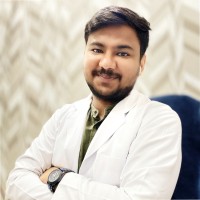
I am an Ayurvedic doctor with over two years of hands-on experience in managing both outpatient (OPD) cases and medical emergencies. My journey in Ayurveda has equipped me to effectively diagnose and treat a wide range of conditions, from chronic kidney disease, liver failure, and cirrhosis to digestive disorders and allergic diseases like asthma, sinusitis, and allergic rhinitis.
I specialize in treating joint disorders, metabolic issues, and various lifestyle-related conditions through a root-cause-based Ayurvedic approach. I focus on personalized care—tailoring treatment plans according to each patient’s constitution, lifestyle, and medical history.
In addition to my expertise in Ayurvedic medicines and therapies like Panchakarma, I also have a sound understanding of allopathic medicine, which helps me integrate modern approaches when needed for better outcomes. In emergency situations, I stay calm under pressure and act quickly to stabilize and support patients.
I’m deeply committed to continuous learning and staying updated with the latest advancements in both Ayurveda and modern medicine. My mission is to support every patient’s journey toward lasting health, vitality, and balance through compassionate, holistic care.
